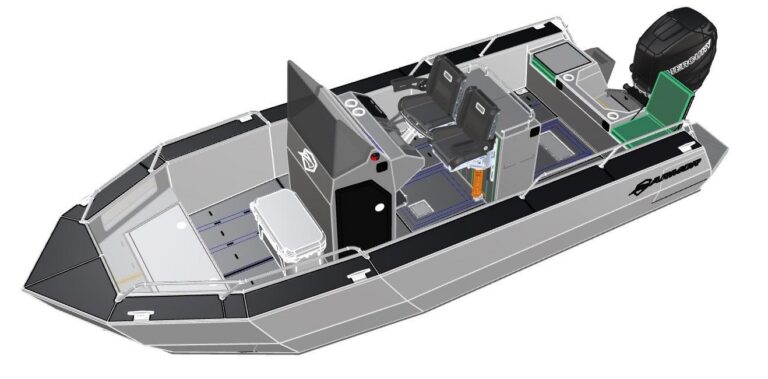
Fire and Rescue Boats
Boats that get there fast, get people out of the water and carry the gear your crew depends on.
- Outboard or waterjet
- Low recovery points
- Bow doors and boarding platforms
- Foam-collar hulls
- Built around your gear
A rescue boat has one job that can't wait. It has to launch fast, run hard to the scene on any water you cover, and get a person out of the water and onto the deck without hurting them or the crew. ARMOR builds fire and rescue boats on proven aluminum platforms, then lays out the deck around your team's gear in 3D CAD before any plate is cut.
Below: what a rescue boat needs, the platforms that fit, and how we set them up.
What a rescue boat needs
Speed to the scene
Planing hulls with the power to get there, and a ride your crew can still work in when they arrive.
A low place to recover people
A side rescue door, a bow boarding platform or a bow door, so a person comes aboard near the waterline instead of over a high rail.
Room for patients and gear
Clear deck space for backboards, stretchers, dive gear and medical kits, with lockers that keep it secure underway.
Shallow, debris-filled water
Waterjets have nothing below the hull to hit or to injure a swimmer, which matters on rivers and in floods.
Light to work by
Light bars, searchlights and floodlights, and a helm with the sightlines to work at night.
Built for the hits
Welded 5086 aluminum, protruding keels and beaching plates for docks, rocks, ice and debris.
Platforms that fit

Sentinel Console 21
Open console boat with the patented ARMOR hull collar: a stable edge to work from and pull people aboard. 42 kn (48 mph).

Sentinel Cabin 25
The Sentinel with a full cabin, 25′–29′, on waterjet or outboard power: warm, dry crew space for long callouts.

Vigilance
Patrol and rescue for local agencies, 23′ to 27′, 8′-6″ wide and easily trailerable, with a flat bow and a 36″ boarding platform.
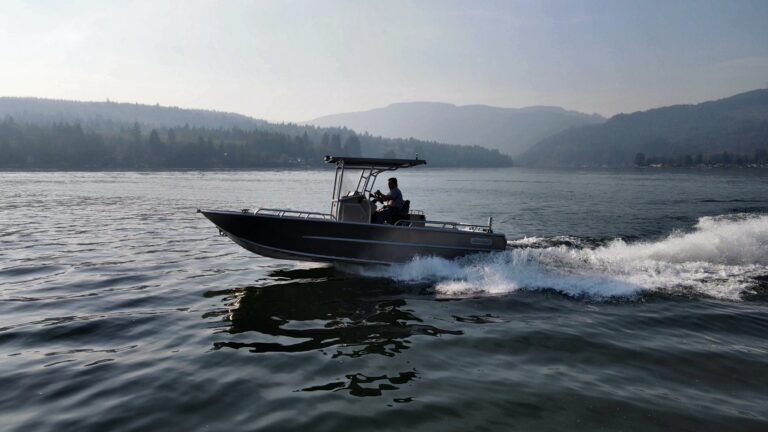
Pro Jet 23
A fast, open center console jet boat for rivers, lakes and bays, with no propeller below the hull.
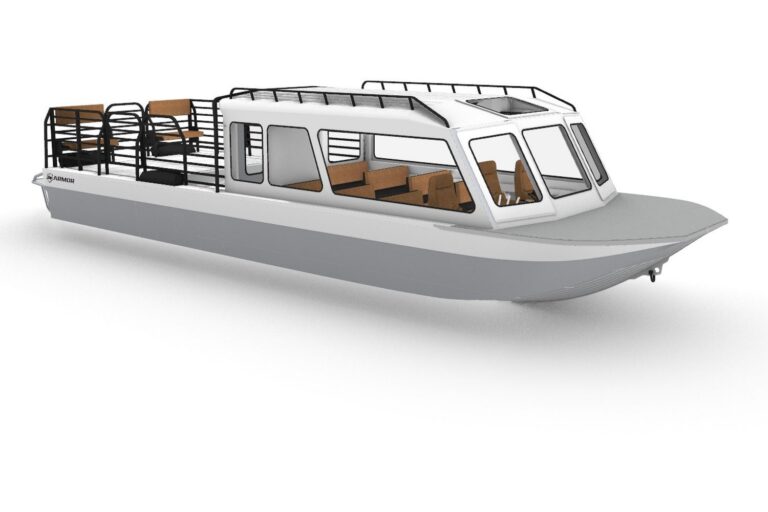
Regal S2
Our larger jet boat, 22′–40′, for river rescue and moving crews and equipment where the water is shallow.
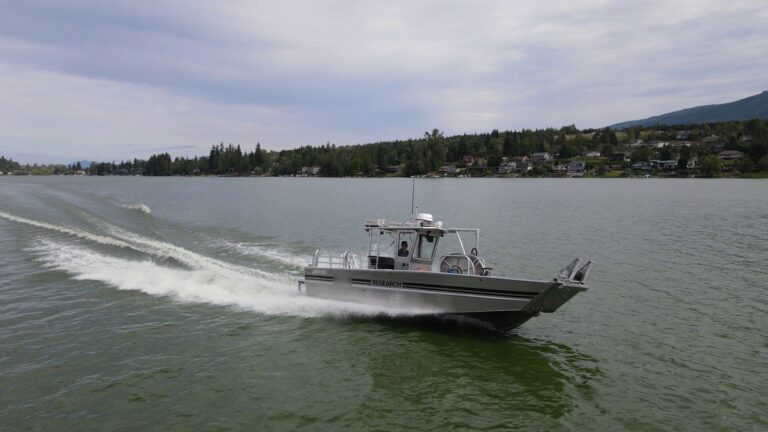
Monohull Landing Craft
A bow door that lowers to the beach: stretchers, gear and vehicles go straight on and off, 20′–50′+.
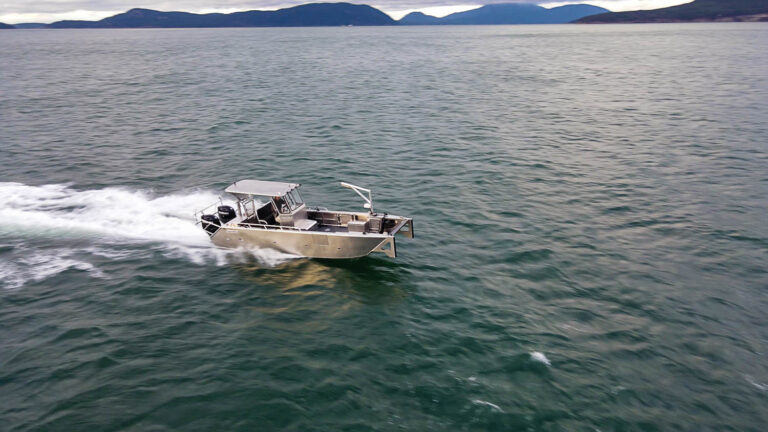
Catamaran Landing Craft
Twin hulls for a steadier deck, with the same bow door and self-bailing decks.
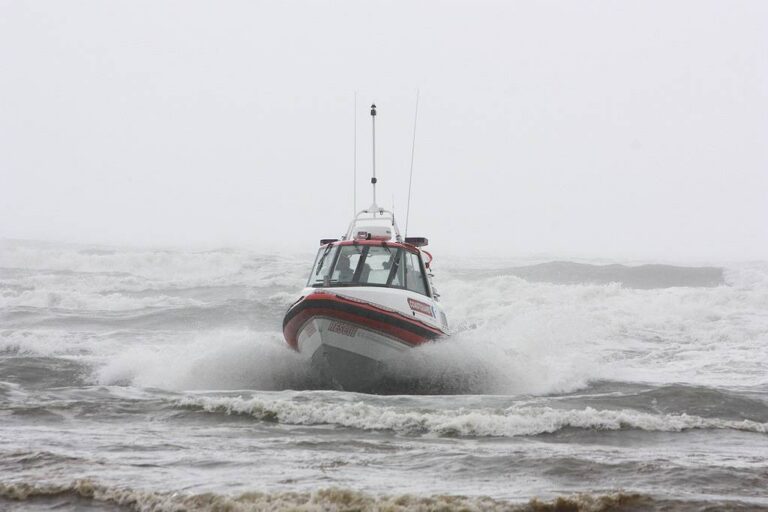
de Villiers RHIBs for rescue

25′ QRV RHIB, waterjet
24′-9″ × 8′-6″ on a diesel and a HamiltonJet HJ241, 41 kn (47 mph) as designed. Launches from the beach.
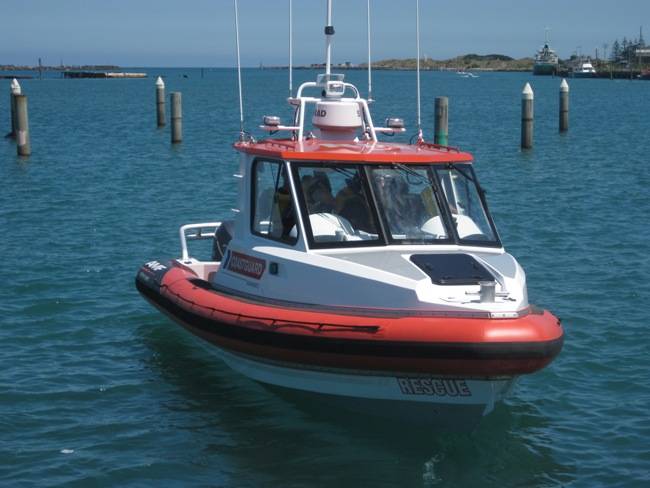
26′ QRV RHIB, outboard
25′-3″ × 9′-11″ on twin 150 hp outboards, 40 kn (46 mph) as designed, with a hardtop.
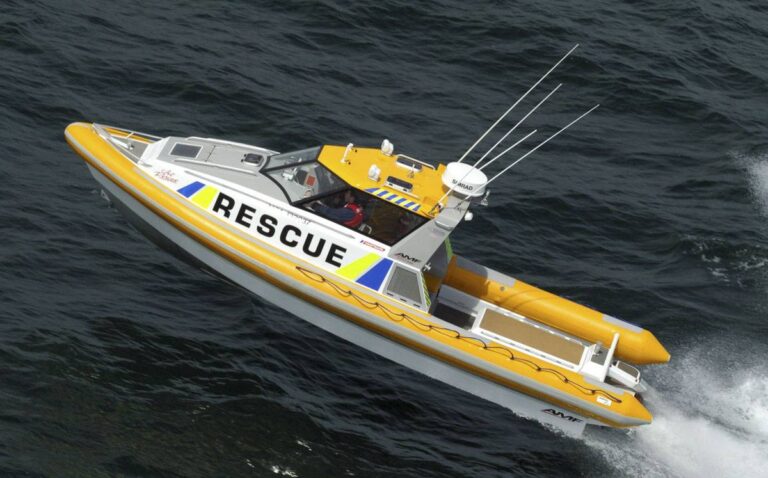
30′ QRV RHIB, waterjet
29′-10″ × 9′-5″ on a diesel and a HamiltonJet, 40 kn (46 mph) as designed.
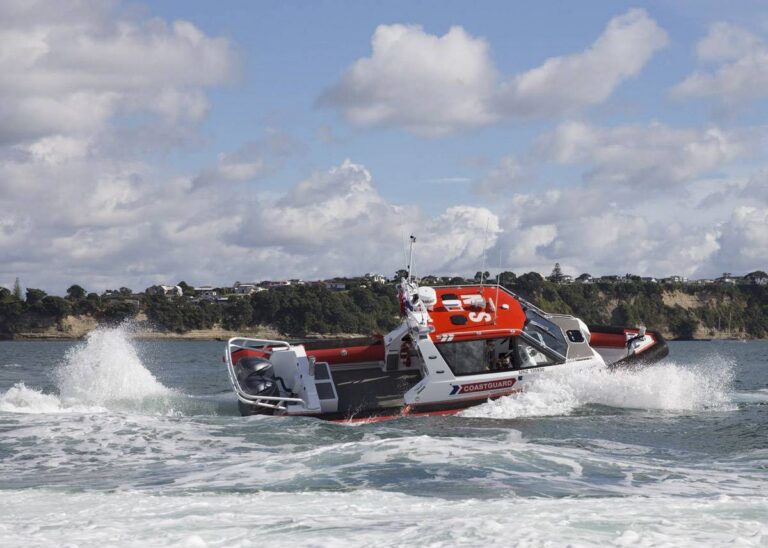
32′ QRV RHIB
31′-8″ × 10′-3″ on twin 250 hp outboards, 45 kn (52 mph) as designed.
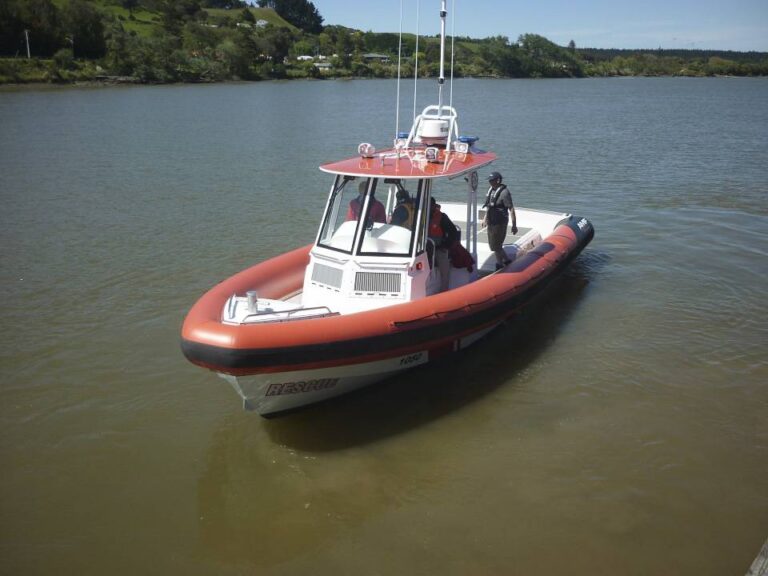
36′ QRV RHIB
35′-8″ × 12′-8″ on twin diesels and waterjets, 35 kn (40 mph) as designed, with a full deckhouse.
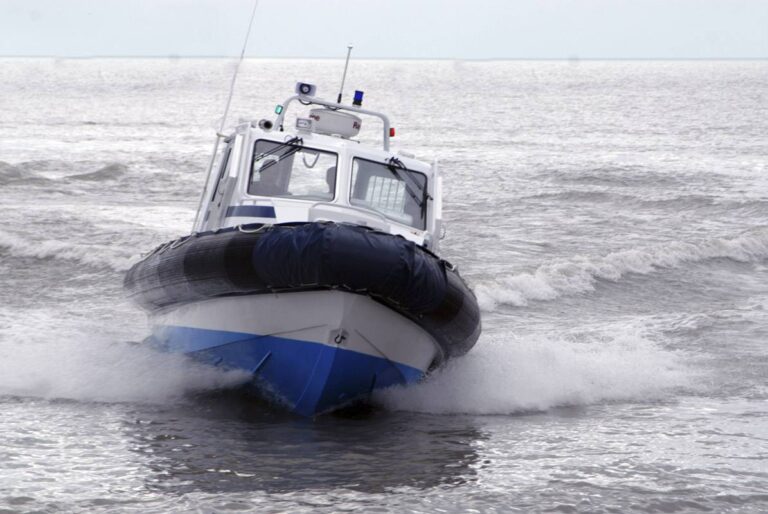
31′ Pilothouse RHIB
31′-2″ × 10′-9″ on twin 250 hp outboards, 45 kn (52 mph) as designed, with an enclosed helm for long callouts.
David de Villiers' quick response RHIBs were drawn for rescue crews, with hardtops or deckhouses on outboards or waterjets. Built in the USA by ARMOR Marine, the exclusive US builder of de Villiers designs. Speeds are as designed; we set up the power and outfit for your crew.
How we set them up
Recovery
Side rescue doors, bow boarding platforms, dive doors and ladders, placed where your crew actually works.
Gear
Stretcher racks, lockers and mounting points, laid out in 3D CAD around the equipment you carry.
Lights and electronics
Light bars, searchlights, floodlights, radar, chartplotters and radios, on tinned, labeled wiring sized to ABYC.
Crew
Shock-mitigating seats, heated cabins and helms sized for the people who run the boat.
Built your wayEvery size, layout and power package on this page is a starting point. Length, beam, layout, power and outfitting can all change, and we work it out with you in 3D CAD before any plate is cut.
Start your custom buildThe ARMOR standard
- Every part modeled in 3D CAD and reviewed with you before plate is cut
- CNC-cut parts, plate-marked with forming and welding instructions, so every hull matches the drawing
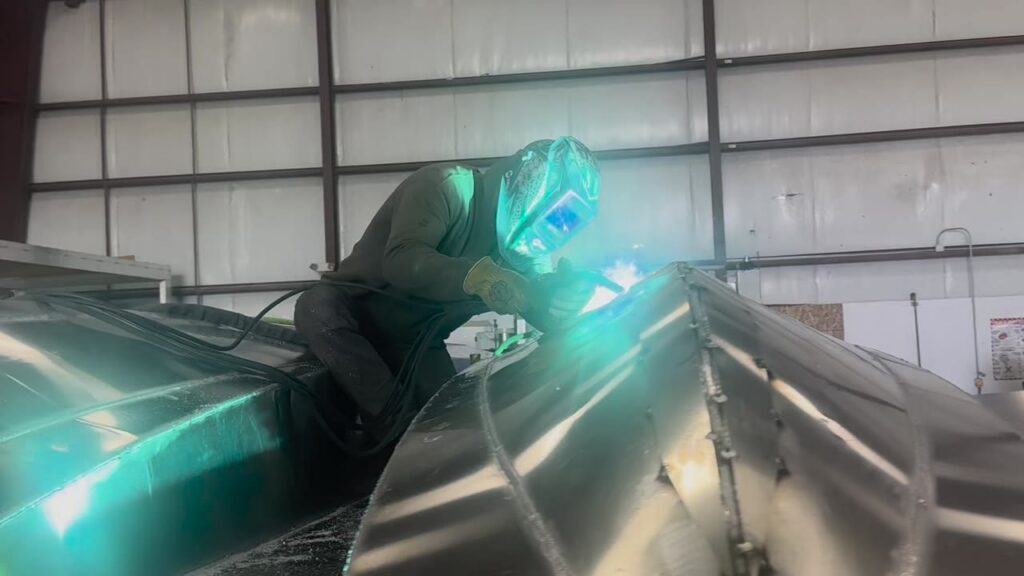
- Formed on a 12′, 200-ton CNC press brake
- Welded to written procedures, to AWS D1.2 and AWS D3.7
- Marine-grade 5086 and 5052 aluminum throughout
Built in our 16,000 sq ft Anacortes facility, with a full-length 5-ton bridge crane and room for vessels up to 100′. Because every part is drawn in 3D CAD and CNC-cut, we're set up for multi-boat and fleet contracts as well as one-off custom builds.
Warranty: 10-year limited hull warranty for commercial use; lifetime limited hull warranty for recreational use.
Questions about rescue boats
Jet or outboard for a rescue boat?
Outboards are simpler and lighter and suit most coastal and lake work. Waterjets run shallower and have no exposed propeller near a person in the water, which makes them the choice for rivers and floods. Our waterjet comparison guide covers the trade-offs.
How do you get a person aboard?
At the lowest point you can: a side rescue door, a bow boarding platform or a landing craft's bow door. We place it, and the grab points around it, to suit how your crew works.
Can you build to our department's specification?
Yes. Send it to us. We'll show you which platform fits and how we'd meet each requirement, and we'll review the 3D model with your team before we build.
What does the foam collar do?
Instead of an inflatable tube, the Sentinels carry the ARMOR hull collar and the Vigilance a polyurea-coated foam collar: RHIB-style buoyancy and a stable edge to work from, with nothing to puncture or pump up.
Can you refit our older rescue boat?
Often, yes. We take on major refits, repowers and rebuilds in the same shop. See Aluminum Boat Repair.
Tell us about your rescue boat
We design every boat in-house, so we can build to your exact requirements and help you solve the technical problems a catalog boat can't.
Prefer to talk it through?
Related: Patrol Boats · Sentinel Console 21 · Waterjet vs outboard · Aluminum Boat Repair